Industrial Space in Tulsa: Finding the Right Fit for Your Business

Industrial Space in Tulsa: Finding the Right Fit for Your Business

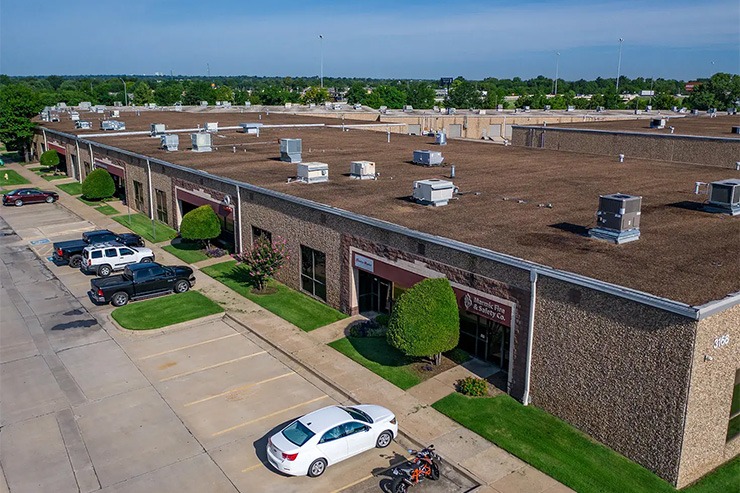
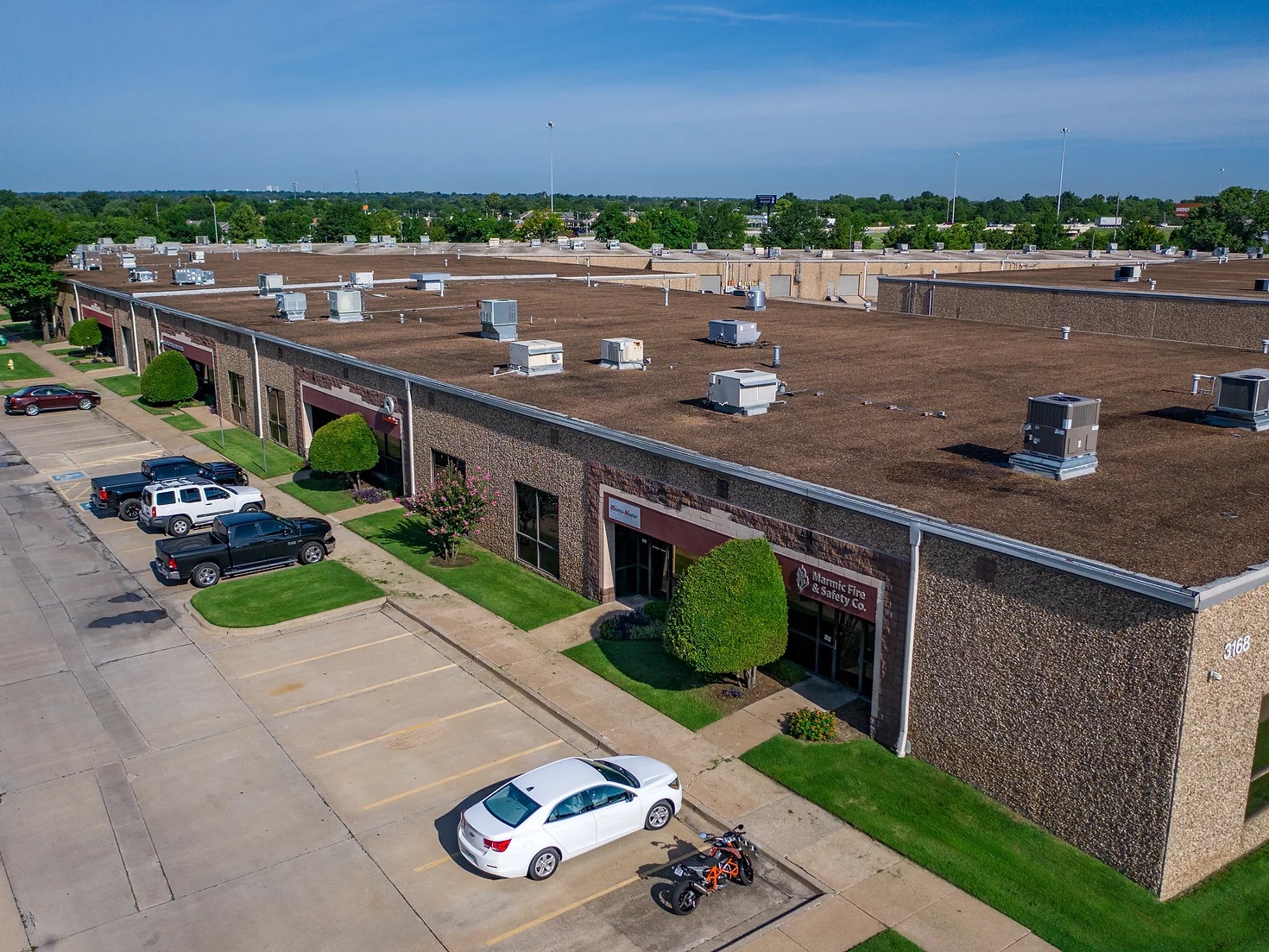
At Case Commercial, we know finding the right commercial space can make a big difference in how a business operates. Freeport Trade Center is one example of a property designed with those needs in mind, offering industrial, warehouse, service warehouse, and flex space in southeast Tulsa.

A Location That Works

When looking for industrial or warehouse space in Tulsa, location matters. Freeport Trade Center is located along US-169 in southeast Tulsa, providing direct highway access and strong visibility for businesses, employees, customers, vendors, and deliveries.

The property is also part of an established business area surrounded by distribution, contractor, and industrial businesses. Nearby restaurants, retail, and other conveniences add to the accessibility of the location.
Industrial Space in Tulsa: Finding the Right Fit for Your Business
3168 S 108th East Avenue, Tulsa, OK 74146

Advantages of Freeport Trade Center

Freeport Trade Center offers features designed to support a variety of business needs:

  • Flexible space: Warehouse, service warehouse, and flex space options in a variety of sizes.
  • Multiple loading options: Dock-high, van-high, and grade-level doors to accommodate different business operations.
  • Highway access: Direct access to US-169 for convenient travel and freight movement.
  • Ample parking: Surface parking for employees, customers, and visitors.
  • Security: Nightly drive-through security monitoring for added peace of mind.
  • Convenient location: Nearby restaurants, retail, and other business services.

We understand that the right commercial property looks different for every business. Location, layout, accessibility, and available space all play a role in finding a property that supports the way your business operates.

When It’s Time for a Change

As a business grows, its space may need to change with it. More equipment, additional inventory, a growing team, or increased deliveries can all create new demands on a property.

If your current space is starting to feel too small, difficult to access, or simply isn’t working the way it used to, it may be worth exploring your options.

Freeport Trade Center offers flexible industrial and warehouse space in a convenient Tulsa location, with features designed to support a variety of business needs.

The right space should make it easier to do business — not harder.

8 Tips to Help You Survive Moving Day

8 Tips to Help You Survive Moving Day

Moving your business? At Case, we understand how business needs change. Every day we help our new tenants with all the necessary decisions to make their move less painful. We have put together some basic tips to consider before you move.

1. Consider all costs and budget

There can be many hidden costs moving your business. You need to consider set-up in new location, any repairs at current location and downtime.

2. Choose your landlord carefully

Of course, we hope that you choose us. Either way, choose your landlord carefully. Review all lease terms and coordinate move plan with your landlord for ease and less frustration.

3. Arrange & validate insurance coverage

Insurance is something most businesses overlook and don’t validate before a move. Make sure you work with your insurance agent to protect your current location, all property and new location.

4. Coordinate moving company

Whether you move yourself or choose a company, make sure you sit down and discuss what is expected, timelines and division of labor.

5. Donate any items not needed for new location

Have you become a hoarder? Downsizing? If you don’t have a need for items this is a great time to donate them so they don’t have to be moved twice.

6. Prepare a technology plan

Technology coordination is huge to consider before a move. Computers and cords can get overwhelming. Plan ahead and box and label areas separately. This will make setting up your new office systematically and without overwhelm.

7. Implement organized labeling system

It’s important to pack each room strategically, Create an easy labeling and numbering system for you, your team and the movers.

8. Inform your customers and vendors

It is important to communicate with entire customer network. Make a list of all the items that will need updated. Website, stationary, business cards, suppliers and especially your customers so they are aware of your move so no one is surprised.

The Office Is Back. Here’s What That Actually Looks Like.

The Office Is Back. Here’s What That Actually Looks Like.

Now that offices are back in full swing, it’s worth stepping back and reflecting on how much the workplace has genuinely changed since the days when “heading back to the office” felt like an open question.

The transition wasn’t seamless for anyone. Some team members never came back. Others stayed remote permanently. And the companies that navigated it well were the ones willing to rethink what the office is actually for.

What the modern office looks like now

The physical changes that felt uncertain a few years ago are largely standard today:

  • Touchless entry and voice-activated building features
  • Thoughtfully spaced private workspaces replacing sprawling open floor plans
  • Smarter ventilation, UV sanitation systems, and antimicrobial materials built into the design
  • Fewer, more intentional gathering spaces
  • Cleaner, more consistent signage and posted protocols
  • These weren’t just pandemic responses. They’ve become baseline expectations for what a well-run, people-centered workplace looks like.

The hybrid question has mostly been answered

For a while, companies debated whether productivity would suffer if employees stayed home. That debate has largely settled. The organizations that invested in clear policies, the right tools, and a culture of trust found their teams adapted well, wherever they were working.

What’s become clear is that the office serves a different purpose now. It’s less about heads-down, individual work and more about collaboration, connection, and the kind of problem-solving that’s genuinely easier when people are in the same room.

What this means for space

The shift hasn’t necessarily meant less square footage, but it has meant smarter use of it. The race to maximize open floor plans has given way to a more intentional approach: fewer seats, better spaces, and environments designed around how people actually want to work together.

For teams managing branded environments, signage, and the materials that fill those spaces, that shift matters. The office is a reflection of your culture now more than ever, and the details carry more weight than they used to.

The bottom line

The “new normal” everyone talked about in 2020 is just normal now. And for the most part, the workplace is better for it, more flexible, more thoughtful, and more focused on the people in it.